

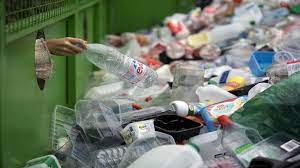
Polypropylene, commonly known as PP, is a versatile plastic widely used in packaging, automotive parts, textiles, and consumer goods. Due to its extensive use, PP Recycling waste has become a significant environmental concern. Recycling polypropylene not only helps reduce plastic pollution but also transforms waste into valuable products that can be reused in various industries. Effective PP recycling strategies focus on collection, sorting, processing, and the development of new applications for recycled materials.
Collection and Segregation of PP Waste
The first step in effective PP recycling is the proper collection and segregation of plastic waste. Separating PP from other types of plastics, such as polyethylene or PET, ensures higher quality in recycled products. This process often involves manual sorting, automated detection systems, and color sorting technologies. Proper segregation reduces contamination, improves efficiency in the recycling process, and enhances the final product’s properties.
Mechanical Recycling Techniques
Mechanical recycling is one of the most common strategies for converting PP waste into reusable materials. In this process, PP waste is cleaned, shredded, and melted to produce granules or pellets. These recycled pellets can then be used in manufacturing new plastic products such as containers, automotive components, and household items. Mechanical recycling is cost-effective and widely implemented but works best when the PP waste is clean and homogeneous.
Chemical Recycling Methods
Chemical recycling offers another approach by breaking down PP polymers into their basic chemical components. Techniques such as pyrolysis, gasification, and depolymerization convert plastic waste into raw materials like monomers, fuels, or other chemicals. These products can be used to manufacture new plastics or serve as feedstock for other industries. Chemical recycling is particularly useful for contaminated or mixed PP waste that cannot be efficiently processed mechanically.
Recycling Through Energy Recovery
In cases where mechanical or chemical recycling is not feasible, energy recovery can be a viable option. This strategy involves converting PP waste into energy through controlled combustion or other thermal processes. While it does not produce new plastic materials, energy recovery helps reduce landfill accumulation and generates power or heat that can be used in industrial processes. This approach is often considered a supplementary strategy in a comprehensive recycling plan.
Developing Value-Added Products from Recycled PP
One of the most impactful aspects of PP recycling is the creation of value-added products. Recycled PP can be transformed into durable items such as furniture, construction materials, and automotive parts. Innovative research also focuses on using recycled PP in composite materials, 3D printing filaments, and packaging solutions. These applications not only give a second life to plastic waste but also support a circular economy by reducing the need for virgin materials.
Challenges in PP Recycling
Despite its benefits, PP recycling faces challenges that require strategic solutions. Contamination with food residues, mixed plastic types, and color variability can reduce the quality of recycled PP. Additionally, the lack of efficient collection systems and public awareness can limit the volume of material available for recycling. Addressing these challenges involves improving waste management infrastructure, investing in advanced sorting technologies, and promoting consumer participation in recycling programs.
Environmental and Economic Benefits
Effective PP recycling delivers significant environmental benefits, including reduced plastic pollution, lower greenhouse gas emissions, and decreased dependence on fossil fuels. Economically, recycled PP provides industries with a cost-effective alternative to virgin materials, creates job opportunities in the recycling sector, and supports sustainable manufacturing practices. By converting waste into valuable products, PP recycling contributes to both ecological preservation and industrial growth.
Conclusion
PP recycling strategies play a vital role in transforming plastic waste into valuable products while addressing environmental challenges. Through mechanical and chemical recycling, energy recovery, and the development of innovative applications, polypropylene can be effectively reused across multiple industries. Overcoming the challenges of contamination, collection, and public engagement will further enhance the efficiency and impact of PP recycling, making it a cornerstone of sustainable waste management and circular economy initiatives.


