How Growth, HOA Policies, and Recreational Demand Are Reshaping Storage Needs Across Windsor and the Front Range
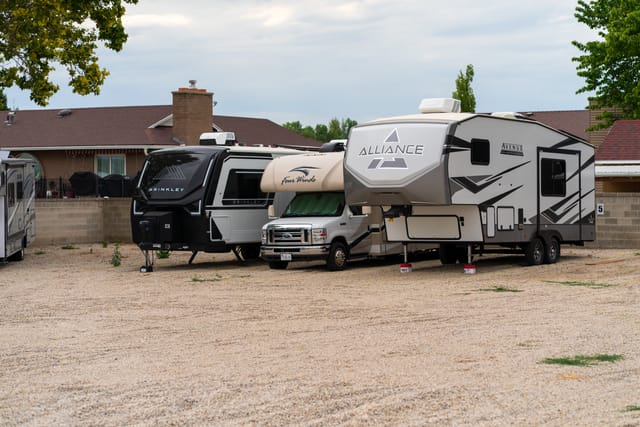
Northern Colorado has always drawn residents who want proximity to the outdoors. Horsetooth Reservoir, the mountain corridors leading toward Estes Park and Red Feather Lakes, and the countless campgrounds scattered across Weld and Larimer counties make recreational ownership feel less like an indulgence and more like a practical investment. What has shifted over the past decade is not how much residents value outdoor access, but how the region’s housing landscape accommodates the equipment that makes it possible. As master-planned communities spread across Windsor, Fort Collins, Greeley, and Loveland, homeowners who own RVs, travel trailers, and boats are increasingly discovering that finding a compliant place to store them is just as challenging as affording them in the first place.
To get a clearer picture of how storage demand has evolved in the region, we spoke with a local professional who works in the storage industry and has watched these pressures build across Northern Colorado’s fastest-growing communities.
Recreational Vehicle Ownership Continues to Climb
Q: Has RV and boat ownership in Northern Colorado grown noticeably in recent years?
The growth has been steady and consistent, not a spike tied to any single moment. People in Windsor, Fort Collins, Loveland, and Greeley are buying travel trailers, fifth wheels, motorhomes, and wake boats at rates that reflect how embedded outdoor recreation is in the regional culture. There was a period when pandemic-related travel habits pushed purchases higher, but ownership levels have held firm because the underlying motivation is rooted in lifestyle, not circumstance.
Northern Colorado offers direct access to major recreational corridors, and residents take advantage of them. A family in Windsor can be at Horsetooth Reservoir in under thirty minutes. That kind of access makes recreational ownership genuinely practical, and as ownership has increased, the demand for places to store that equipment has grown right alongside it, particularly in neighborhoods where keeping a large vehicle at home simply is not an option.
How Windsor’s Residential Expansion Has Changed the Equation
Q: Has the nature of residential development in Windsor specifically affected storage demand?
Windsor is a useful example because the transformation there has been so visible. Large master-planned communities like Water Valley and Raindance have brought impressive amenities to the area, including private lakes, beaches, golf, and extensive trail networks. Water Valley in particular has built its identity around lake access, which naturally attracts residents who own boats or want to spend time on the water.
The challenge is that these same communities operate under homeowner associations that restrict how and where residents can park or store large vehicles. Driveway parking for RVs is commonly limited or outright prohibited, and street parking for trailers rarely receives approval beyond a short grace period. A homeowner who boats at Horsetooth every weekend can spend a full Saturday on the water and then return to a neighborhood where storing the boat at home puts them in violation of their HOA guidelines.
Lot sizes in newer developments also tend to be smaller than those found in older parts of Windsor. That physical reality eliminates the side-yard workarounds that older homes sometimes allow, and it means that even residents who want to find a creative solution on their own property often have nowhere to put a 30-foot trailer.
A Pattern That Extends Across the Front Range
Q: Is Windsor unique in this regard, or are similar pressures showing up in other communities?
The pattern is consistent across the region. New construction in Fort Collins, particularly on the southern and eastern edges of the city, frequently includes HOA governance with restrictions on recreational vehicle parking. Loveland is experiencing comparable pressures as residential density continues to rise. Even in Greeley, where older neighborhoods and larger lot sizes traditionally offered more flexibility, newer developments are being built under association frameworks that limit what homeowners can store on their property.
Homeowner associations offer real benefits, including shared space maintenance, established neighborhood standards, and long-term property value protection. At the same time, as HOA governance has expanded, the cumulative effect is that fewer homes offer a compliant option for large recreational vehicles. Storage has shifted from a winter convenience to a year-round necessity for a growing number of households.
Weather Conditions Add Another Layer of Urgency
Q: How do Northern Colorado’s weather patterns factor into storage decisions?
The Front Range presents a challenging environment for vehicles stored outdoors. Freeze-thaw cycles put stress on seals and exterior materials. Hailstorms arrive quickly and cause significant damage. High-altitude UV exposure degrades finishes, roof membranes, and rubber seals faster than many owners anticipate.
Boat owners who spend their summers on Horsetooth Reservoir need to winterize carefully to prevent water intrusion and freeze damage. RV owners face similar concerns related to roof membrane wear, plumbing vulnerabilities, and exterior fading. When these environmental risks stack up against the compliance requirements of HOA-governed neighborhoods, off-site storage stops feeling like a luxury and starts feeling like the only responsible choice.
For residents who have already invested tens of thousands of dollars in a recreational vehicle or wake boat, leaving that equipment exposed through a Northern Colorado winter is a risk most prefer not to take.
Covered and Indoor Storage Is in Higher Demand
Q: Have you seen interest increase specifically for covered or enclosed storage options?
The demand for covered and indoor storage has grown noticeably, and the reasoning is largely economic. A quality travel trailer or wake boat represents a substantial financial commitment, and owners have become more aware of how much prolonged exposure affects longevity. Covered storage limits snow load accumulation and reduces UV degradation. Indoor storage goes further by protecting against temperature fluctuations, wind-driven debris, and hail impacts that are common across Weld and Larimer counties.
Residents in communities like Raindance and Water Valley tend to prioritize facilities that are geographically close to Windsor. Being able to pick up an RV or boat on a Friday afternoon before heading toward the mountains is central to how many people in the area use their equipment, and a facility that adds an hour of driving to that process quickly loses its appeal. That combination of protection and proximity has kept occupancy levels at covered and indoor facilities steady well beyond the traditional winter storage window.
Storage Has Evolved Into a Regional Infrastructure Need
Q: At what point does this stop being a seasonal issue and become something more permanent?
The shift has already happened, driven by two forces working together. Recreational ownership has become embedded in how Northern Colorado residents live, which means equipment is in use across multiple seasons rather than packed away from October through April. At the same time, HOA restrictions do not follow seasonal schedules. A homeowner cannot park an RV in the driveway in July simply because the weather is good. The compliance requirement is constant, which means the storage need is constant.
In growing communities like Windsor, storage facilities have started functioning as genuine community infrastructure rather than a niche service. They allow higher-density residential development to coexist with an outdoor-oriented lifestyle in a way that would not otherwise be possible. Without accessible off-site storage, many residents in master-planned communities would face a difficult choice between the neighborhood they want to live in and the recreational life they moved to Northern Colorado to enjoy.
As development continues through communities like Water Valley and Raindance, and as HOA governance becomes the default rather than the exception in new construction across the region, the structural demand for storage will continue to grow. It is not a trend that reverses when the calendar turns toward summer.
The Road Ahead for Northern Colorado’s Recreational Economy
Northern Colorado continues to attract residents who want both well-designed communities and meaningful outdoor access. The increasing demand for secure, accessible storage across Windsor, Fort Collins, Greeley, and Loveland tells a broader story about how the region is growing and what its residents need to support the lifestyle that brought them here.
What began as a seasonal inconvenience has become a permanent feature of the region’s recreational landscape. As residential density grows and HOA governance expands, off-site storage has emerged not as a workaround but as a fundamental component of how Northern Colorado’s outdoor-oriented population manages daily life.