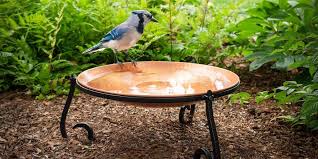
In modern outdoor landscaping and garden design, Bird Baths have become an essential feature that blends aesthetic appeal with environmental support for wildlife. These decorative yet functional installations are designed to attract birds, enhance garden beauty, and promote ecological balance by providing a safe water source for local bird species. As gardening trends continue to evolve, bird baths are increasingly valued not only as ornamental pieces but also as practical tools that contribute to biodiversity and outdoor harmony.
What are bird baths and why are they important?
Bird baths are shallow outdoor structures designed to provide clean water for birds to drink and bathe in. They are typically placed in gardens, patios, parks, and outdoor landscapes where birds can easily access them. The primary purpose of a bird bath is to support bird hygiene and hydration, especially in areas where natural water sources may be limited.
Beyond their functional role, bird baths also serve as decorative garden elements. They add elegance, charm, and a natural focal point to outdoor spaces. Many homeowners use them to create peaceful garden environments that attract wildlife and enhance relaxation.
Why do birds need bird baths in garden environments?
Birds require water for both drinking and bathing. Bathing helps them maintain feather health, regulate body temperature, and remove dust, parasites, and debris. In urban and suburban environments, natural water sources are often scarce or polluted, making bird baths essential for their survival and well-being.
Providing a bird bath in a garden helps create a safe habitat for birds. It encourages regular visits from local bird species, promoting biodiversity and supporting ecological balance within the environment.
What materials are used in premium bird baths?
Premium bird baths are crafted from a variety of durable and weather-resistant materials. Common materials include stone, ceramic, metal, resin, and concrete. Each material offers different advantages in terms of durability, appearance, and maintenance.
Stone and concrete bird baths are known for their stability and long-lasting nature. Ceramic designs often provide artistic detail and vibrant finishes, while metal and resin options offer lightweight flexibility and modern design appeal. The choice of material often depends on garden style, climate conditions, and personal preference.
How does design influence bird bath functionality?
Design plays a crucial role in both the aesthetic and functional aspects of bird baths. A well-designed bird bath ensures safe access for birds, proper water depth, and stable structure placement.
Shallow basins are preferred because they allow birds of different sizes to bathe safely. Textured surfaces help birds grip easily and prevent slipping. Some designs also include gradual slopes to accommodate small birds and prevent drowning risks.
From a visual perspective, bird baths are designed in various styles such as classic pedestal designs, modern minimalist bowls, and nature-inspired artistic structures. These designs allow homeowners to match bird baths with their garden themes.
What makes a bird bath durable and long-lasting?
Durability is an important factor when selecting a bird bath. Outdoor environments expose garden installations to weather conditions such as rain, sunlight, wind, and temperature changes. High-quality bird baths are designed to withstand these elements without cracking, fading, or deteriorating.
Materials like stone, reinforced concrete, and treated metals offer long-term durability. UV-resistant coatings and weatherproof finishes also enhance lifespan. Stability is another key factor, as a well-balanced base prevents tipping or movement during strong winds or bird activity.
How do bird baths attract birds to gardens?
Bird baths attract birds by providing a reliable and clean water source. Birds are naturally drawn to shallow water areas where they can safely drink and bathe. The sound of moving water, such as fountains or drippers, can further enhance attraction.
Placement is also important. Bird baths positioned in open but safe areas allow birds to spot potential predators while feeling secure. Surrounding plants and shrubs provide additional shelter, making the environment more inviting.
Over time, regular maintenance and clean water supply encourage frequent bird visits.
What are the best locations for placing bird baths?
Choosing the right location for a bird bath is essential for safety and effectiveness. Ideal placement includes semi-shaded areas where water remains cool and does not evaporate quickly. It should also be placed away from dense predator zones but close to natural cover like shrubs or trees.
Elevated positions such as pedestals or stands help keep birds safe from ground predators. Visibility is also important so birds can easily locate the bath while flying overhead.
A balanced location ensures both bird safety and aesthetic integration into garden design.
How to maintain bird baths for hygiene and safety?
Regular maintenance is crucial to ensure bird baths remain clean and safe. Stagnant or dirty water can attract insects and bacteria, which may harm birds. Water should be changed frequently, ideally every few days, depending on weather conditions.
Cleaning the basin with mild, non-toxic solutions helps prevent algae buildup and contamination. Scrubbing surfaces gently ensures removal of debris without damaging the material.
During hot weather, more frequent cleaning may be required to maintain freshness and safety.
What role do bird baths play in garden aesthetics?
Bird baths are not only functional but also highly decorative. They serve as focal points in garden landscapes, adding elegance and visual interest. Their designs often complement flowers, plants, and outdoor furniture, creating a harmonious natural setting.
Artistic bird baths can enhance the theme of a garden, whether it is classical, rustic, modern, or nature-inspired. Sculpted designs, intricate patterns, and unique materials contribute to overall landscape beauty.
This combination of functionality and design makes bird baths a popular choice among garden enthusiasts.
What features define premium bird baths?
Premium bird baths are distinguished by high-quality craftsmanship, durable materials, and thoughtful design features. These may include wide basins, textured surfaces, stable bases, and weather-resistant coatings.
Some advanced designs include integrated fountains or solar-powered water circulation systems that keep water fresh and moving. These features not only enhance functionality but also improve aesthetic appeal.
Premium bird baths are designed to balance beauty, durability, and usability in outdoor environments.
How do seasonal changes affect bird bath usage?
Seasonal changes influence how birds use bird baths. In summer, birds rely heavily on water sources for hydration and cooling. In winter, frozen water can limit accessibility, requiring regular monitoring and maintenance.
During rainy seasons, natural water availability may reduce usage frequency, but bird baths still serve as reliable secondary sources. Adjusting maintenance practices based on seasonal conditions ensures consistent usability.
Understanding seasonal behavior helps in optimizing bird bath effectiveness throughout the year.
What ecological benefits do bird baths provide?
Bird baths contribute to local ecosystems by supporting bird populations and encouraging biodiversity. Birds play important roles in pollination, seed dispersal, and insect control, making them valuable to environmental balance.
Providing clean water sources helps sustain bird life in urban and suburban areas where natural habitats are limited. This supports ecological harmony and promotes healthier outdoor environments.
Bird baths also help create awareness about wildlife conservation and environmental responsibility.
What innovations are shaping modern bird bath designs?
Modern bird bath designs are increasingly incorporating innovative features such as solar-powered fountains, self-cleaning systems, and eco-friendly materials. These advancements improve functionality while reducing maintenance requirements.
Smart garden integration is also emerging, where bird baths are combined with automated water circulation systems. Sustainable materials such as recycled stone and eco-resin are becoming more popular in premium designs.
These innovations reflect the growing demand for environmentally conscious garden solutions.
Conclusion: why bird baths remain essential in modern gardens
Bird baths continue to play an important role in modern garden design by combining beauty, functionality, and ecological support. They enhance outdoor spaces while providing essential resources for birds, contributing to biodiversity and environmental balance.
With durable materials, elegant designs, and innovative features, bird baths remain a timeless addition to gardens of all styles. As awareness of wildlife conservation grows, their importance in sustainable landscaping continues to increase, making them a valuable feature in both residential and public outdoor spaces.